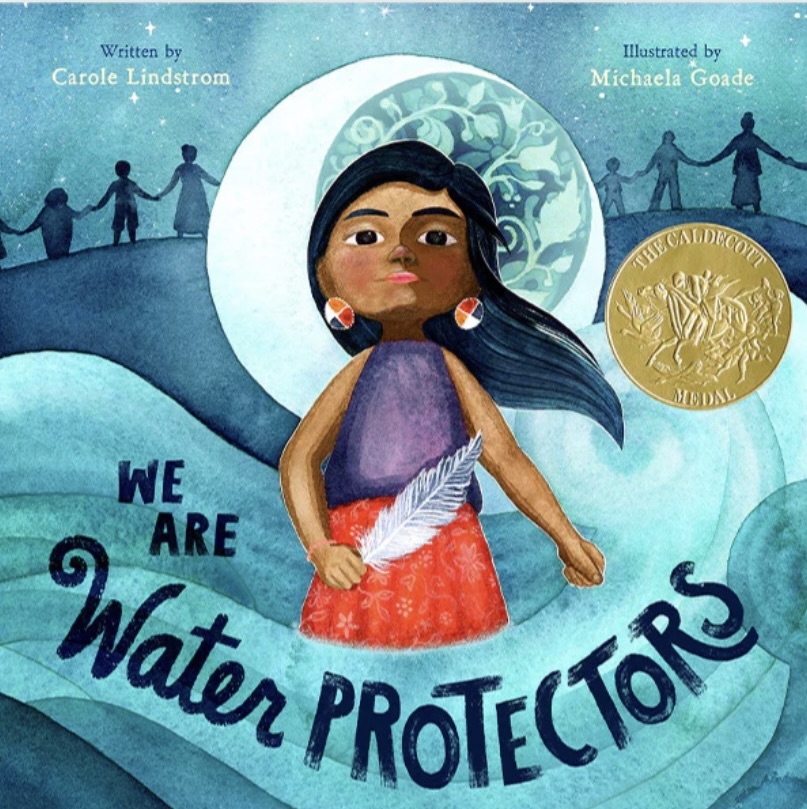
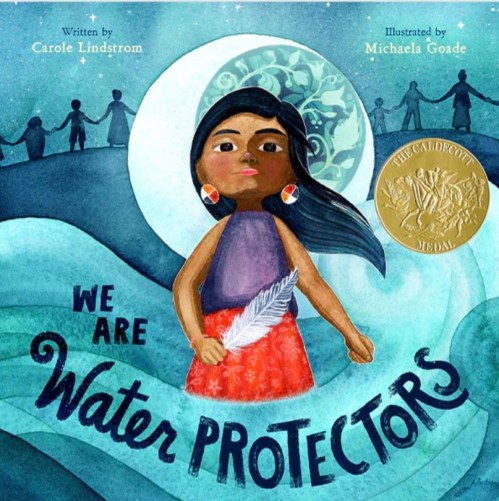
Second Grade Vocabulary Lesson: We Are Water Protectors by Carole Lindstrom
Note: Curriculum Standards, unless otherwise noted, are from the Colorado Department of Education Reading, Writing, and Communicating Standards https://ed.cde.state.co.us/coreadingwriting
Learning Objective:
Students will be able to use context clues, background knowledge, and teacher modeling to define and use grade-level vocabulary from We Are Water Protectors in sentences and during discussion (speaking and drawing) to demonstrate understanding of key ideas and details.
Rationale for chosen book:
1. Short and easy to understand
2. Connects to words and concepts a child already knows
3. Culturally responsive
4. Connects with transdisciplinary subjects: Science, Social Studies and Comprehensive Health
Differentiation
English Language Learners: Pair with an English-proficient peer for language modeling; provide digital or in-person support in addition to realia, visuals, cognates, and motions. Provide sentence stems and visuals for support.Struggling readers: pre-teach vocabulary using one-on-one or small-group mini-lessons with realia and visuals. Pair with a fluent reader. Provide sentence stems and visuals for support.
Struggling readers: Pre-teach vocabulary using one-on-one or small-group mini-lessons with realia and visuals. Pair with a fluent reader. Provide sentence stems and visuals for support.
Colorado State Standard/ Evidence Outcomes:
Students can apply specific skills to comprehend and fluently read literary texts. RWC2.2 GLE 1
Students can use key ideas and details to demonstrate use of self-monitoring comprehension strategies: reading, checking context clues, predicting, questioning, clarifying, activating schema/ background knowledge to construct meaning and draw inferences. RWC2.2 GLE 1EO a.i
Word One: Rhythm
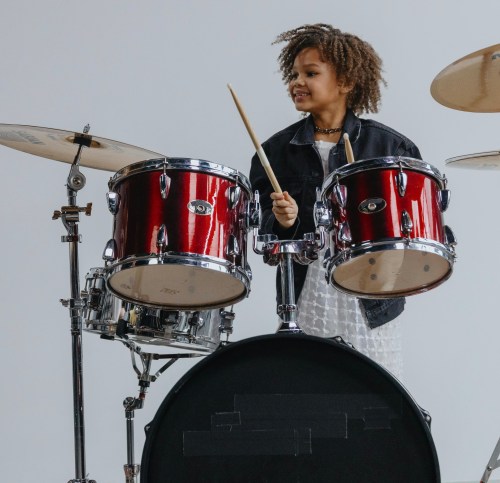
Spanish cognate: ritmo
User-friendly definition: A repeating pattern of sound or movement. Motion: Children will use percussion instruments or hands to show fast/ slow rhythms
Use in text: p 6 “The river’s rhythm flows through my veins.”
Rhythm Activities
1. Teacher will read We Are Water Protectors aloud, pausing strategically for interactive metacognitive questions: predicting, clarifying, using context clues, showing students how skilled readers figure out word meaning (Baker et al., 2020).
2. Children will play percussion instruments in a fast and slow rhythm. Teacher will choose children to set pace by saying “rhy–thm” to slow and fast beats; children will repeat the word while playing their instruments to the same rhythm, reinforcing vocabulary with movement to assist in comprehension and retention. (Edutopia, 2023)
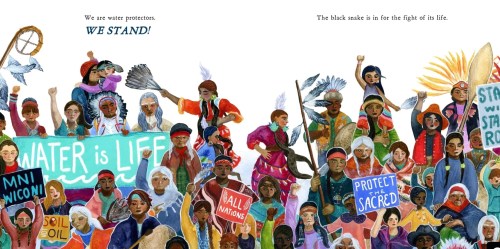
Word 2: Protector
Spanish cognate: protector
User-friendly definition: A person, object, or force that keeps something or someone safe.
Motion Children will place hands on hips in a “superhero” pose.
Picture/realia Photos of superheroes, Purple Protector
Use in text: Title, p 31 “We are water protectors.”
Activity: Fill in the blank
1. In small groups, have children go around the circle and fill in the blank in a sentence strip: I am an Earth protector when I__________.)
Differentiation/ aid comprehension:
- Pass out picture cards showing ways to protect the Earth. (Recycle symbol, reusable water bottle, ride a bike, pick up litter.)
- Students will draw and caption a picture of them being an Earth Protector.
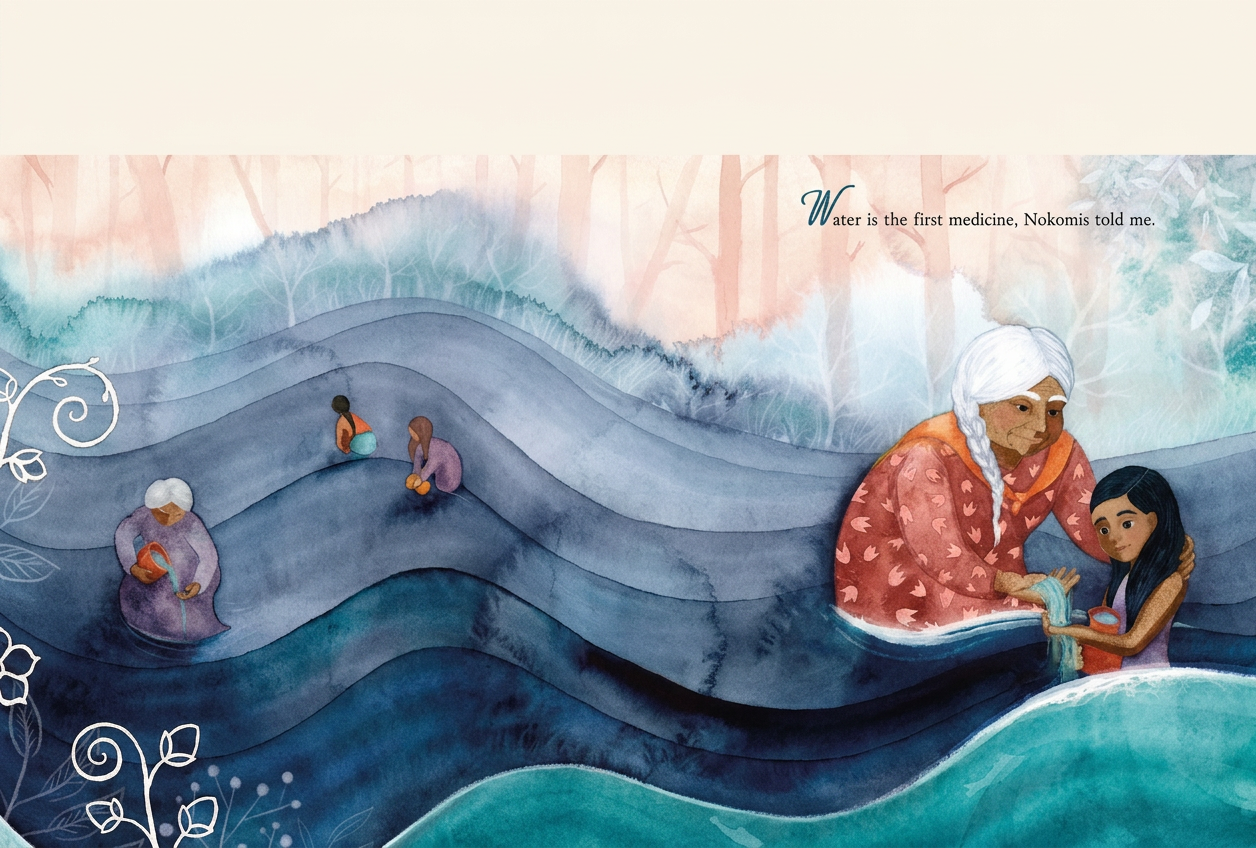
Word #3: Sacred
Spanish cognate: sacro
User-friendly definition: A word used to describe a person, object, or force that that is special, set-apart, or worthy of worship.
Motion: Children will clasp hands together as if praying.
Picture/ realia Photos of various churches, synagogues, mosques; realia including icons, tomes, totems, Grandma’s porcelain teacup
Use in text: p 3: “Water is sacred.”
Activity: Show and Tell
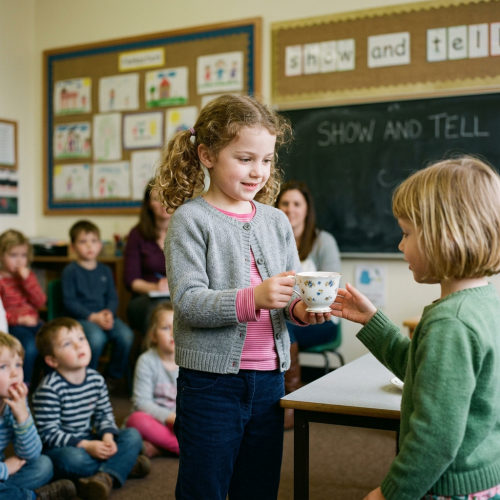
Children will bring in a Show and Tell of a photo or object that is sacred and share about it with the class on 2-3 different days. Teachers will ask clarifying questions and allow two peers per presenter to ask a question. Research show that students increase their vocabulary when they are able to connect new words with previous knowledge and lived experiences (Baker et al, 2020).
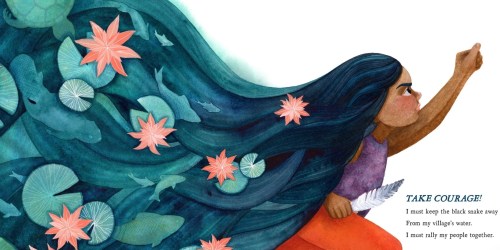
Word 4: Courage
Spanish cognate: coraje
User-friendly definition: The act of doing what is right even when you are scared.
Motion: Children will flex their biceps
Pictures/ Realia: Super hero shields, photos of fire fighters and other first responders
Use in text: p16: “Take courage! I must keep the black snake away.”
Activities: Read-Alouds and Super Shields
1. Students will participate in read-aloud sessions every day of the We Are Water Protectors unit, including teacher read-alouds, choral reading, and intentional paired reading, with the teacher pausing during read-alouds to define difficult words and targeted vocabulary. Multiple studies have shown significant vocabulary gains in literacy programs that include frequent structured read-alouds, outperforming peers by 20-40 %! (Boryga, 2025).
2. Students will create their own environmentally-friendly Planet Protector hero shield.
References/ Links
Baker, D. L., Al Otaiba, S., Ortiz, M., Correa, V., & Cole, R. (2014). Vocabulary development and intervention for English learners in the early grades. Advances in child development and behavior, 46, 281–338. https://doi.org/10.1016/b978-0-12-800285-8.00010-8
Boryga, A. (November 7, 2025) 5 research-backed ways to build better readers. Edutopia. https://www.edutopia.org/article/5-research-backed-literacy-strategies-that-go-beyond-phonics/
Ellison, J. (n.d.) We are water protectors activity kit. MacMillan. https://images.macmillan.com/folio-assets/activity-guides/9781250203557AG.pdf
Lindstrom, C. (2021). We are water protectors. MacMillan, Roaring Brook Press.


Leave a Reply